Easter season
Spring is here — send a card they’ll love
Beautiful artist-designed Easter cards — personalise and send in minutes.
Easter eCards

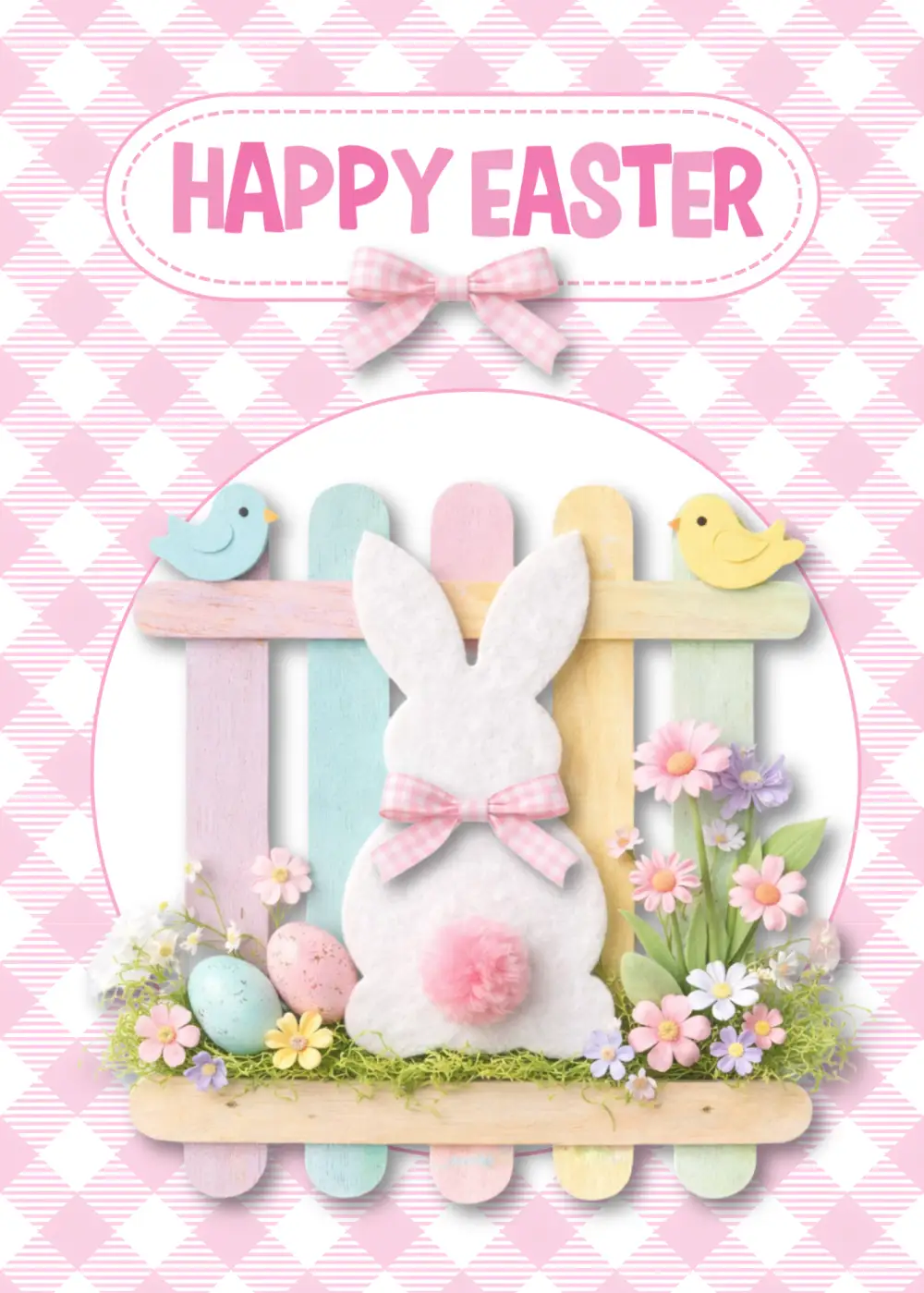


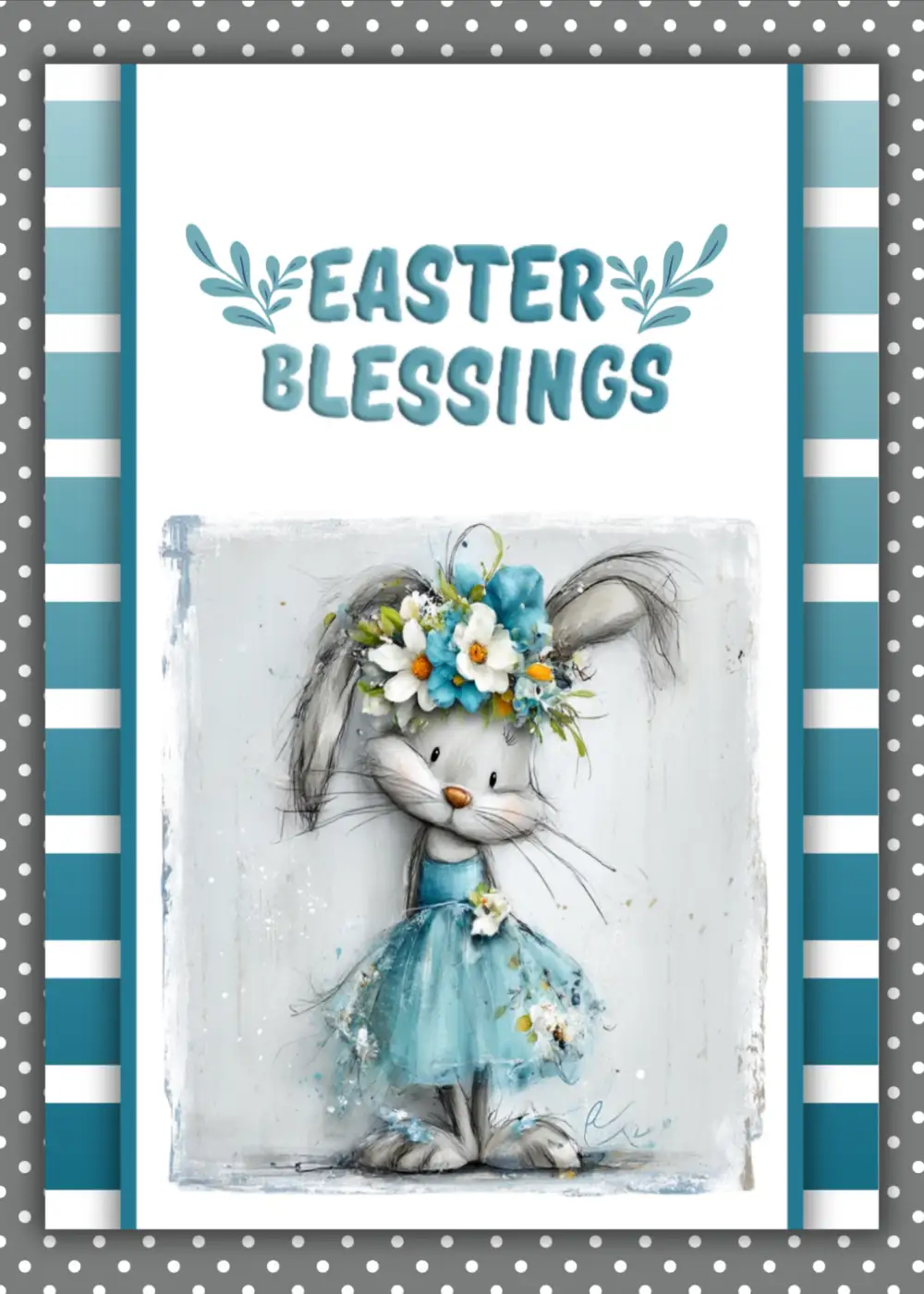






The history of Easter
Easter is the most important festival in the Christian calendar, marking the resurrection of Jesus Christ. Its date moves each year because it follows a lunar calculation — falling on the first Sunday after the first full moon on or after the spring equinox, which places it anywhere between late March and late April.
Many Easter traditions have older, pre-Christian roots. The English name likely derives from Eostre, an Anglo-Saxon goddess of spring and dawn. Eggs — a universal symbol of new life — have been decorated and exchanged as gifts for centuries; the tradition of chocolate Easter eggs began in France and Germany in the early 19th century.
Today Easter is celebrated in wonderfully varied ways. In the UK families enjoy egg hunts, hot cross buns, and roast lamb. In Sweden children dress as Easter witches and go door to door. In Greece candles and fireworks mark midnight on Holy Saturday. Wherever you are, Easter carries a shared sense of renewal, family, and the arrival of spring.
Tips for writing an Easter card
Easter cards suit a wide range of tones — from religious and reflective to cheerful and springlike. Some ideas:
- Match the tone to the recipient. A message about hope and renewal works well for someone of faith. A lighthearted note about chocolate eggs suits a friend or a child.
- Mention spring. Even a simple “Wishing you a bright and restful Easter” feels warm and seasonal.
- Keep it inclusive. Not everyone celebrates Easter religiously, but most people welcome a message of goodwill and fresh starts around this time of year.
- Think about who might need it. Easter can be a quiet, reflective time for some. A card that says “thinking of you” can mean a lot to someone on their own.
- Add a personal touch. Mention weekend plans, a family tradition, or just say you hope they enjoy a rest. A line or two of real connection lifts any card.